Silesian Center for Heart Diseases

Education

Development, integration and modernization of audiovisual systems at the Silesian Center for Heart Diseases (SCCS), including the modernization of three buildings

Zabrze

Crestron, Extron, Apple, Benq, Cisko, Edbak, Intel, Logitech, Panasonic, QSC, Sennheiser, SONY, Christie
The Silesian Center for Heart Diseases (SCCS) in Zabrze has been setting the standards for modern cardiology and cardiac surgery in Poland for more than 30 years. Since its inception, SCCS has worked closely with the Silesian Medical University, educating new generations of specialists.
The facility combines the mission of saving lives, with education and innovation, always putting the safety and well-being of patients first. The institution brings together the most eminent experts in cardiac surgery and cardiology thanks to whom, advanced scientific and clinical research is carried out at the facility.
It was at the Silesian Center for Heart Diseases in Zabrze in 1985 that Zbigniew Religa performed pioneering procedures: the first heart surgery and the first successful heart transplant in Poland. A long tradition of innovation, combined with access to advanced medical equipment and the pursuit of an educational mission, allows the Center to operate at the level of the largest medical facilities in the world.
The mission of the SCCS is, first and foremost, to save human lives, as well as to improve their quality. Because of this, the authorities of the institution attach great importance to the quality of education and the effective combination of practical and theoretical aspects of learning. In the context of the didactic objectives, the facility’s priority was to allow students to observe procedures accurately, while ensuring patients’ privacy and safety.
During the expansion and modernization of the SCCS, the focus had to be on integrating and updating existing audio-visual systems with the latest technologies.
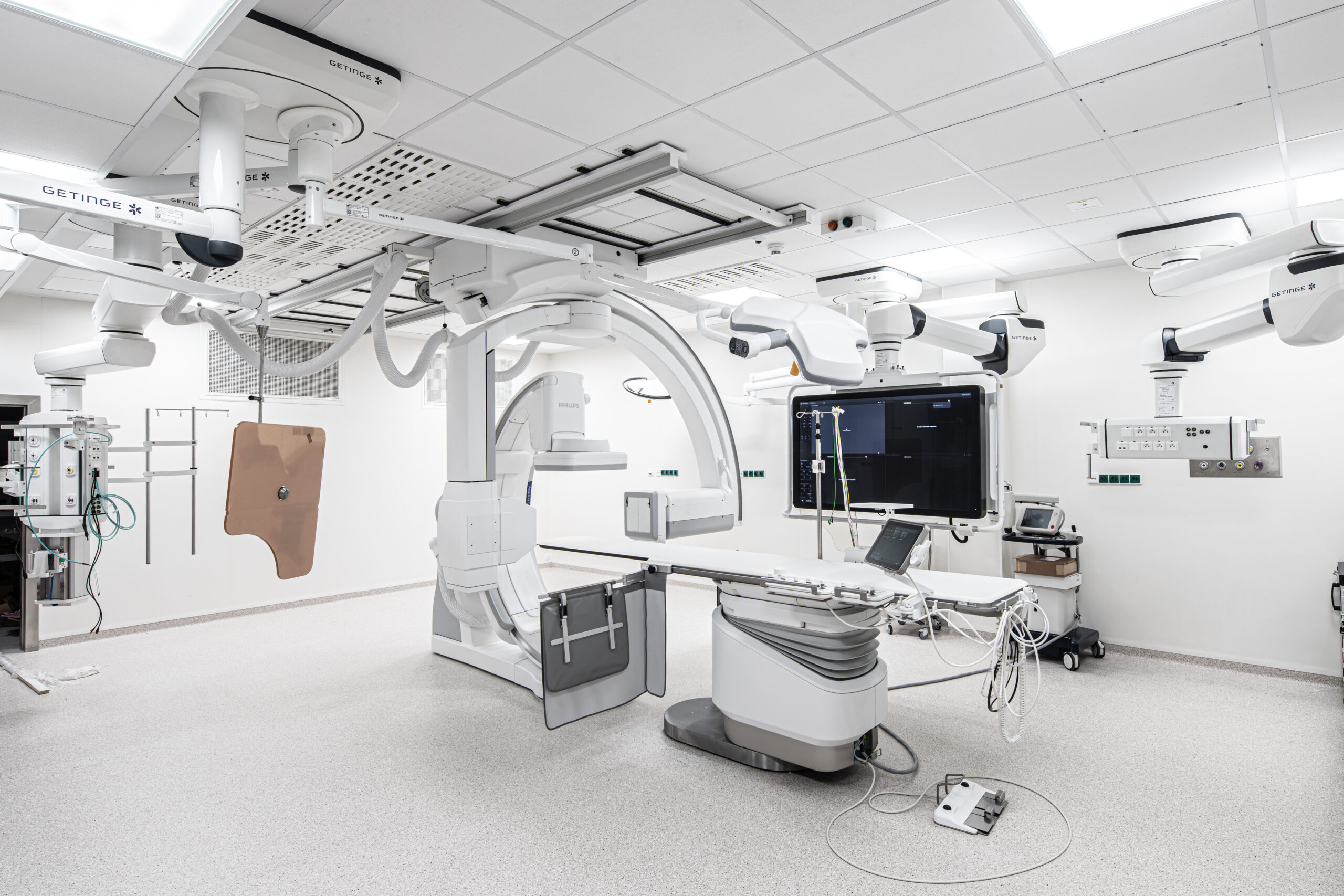
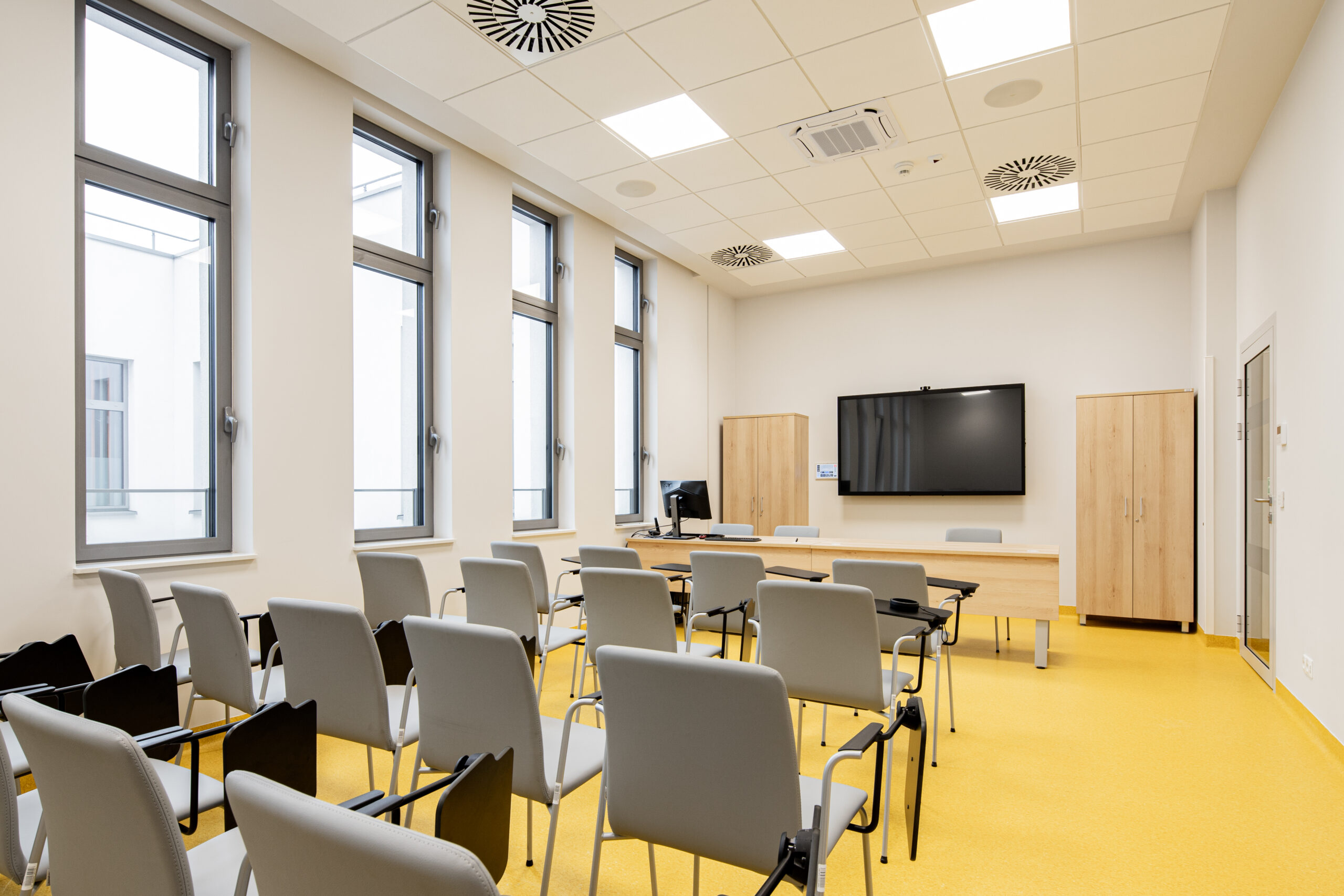
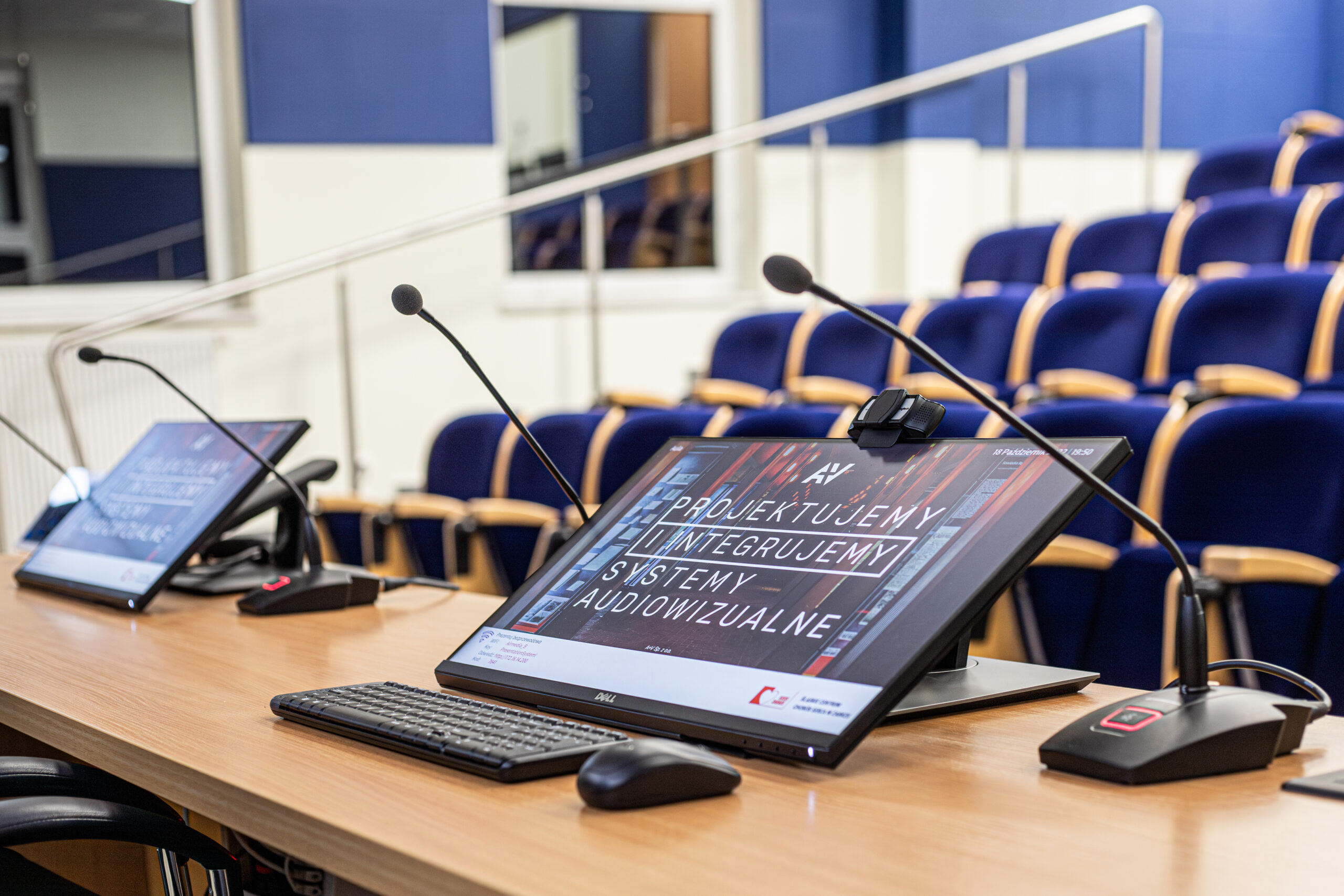
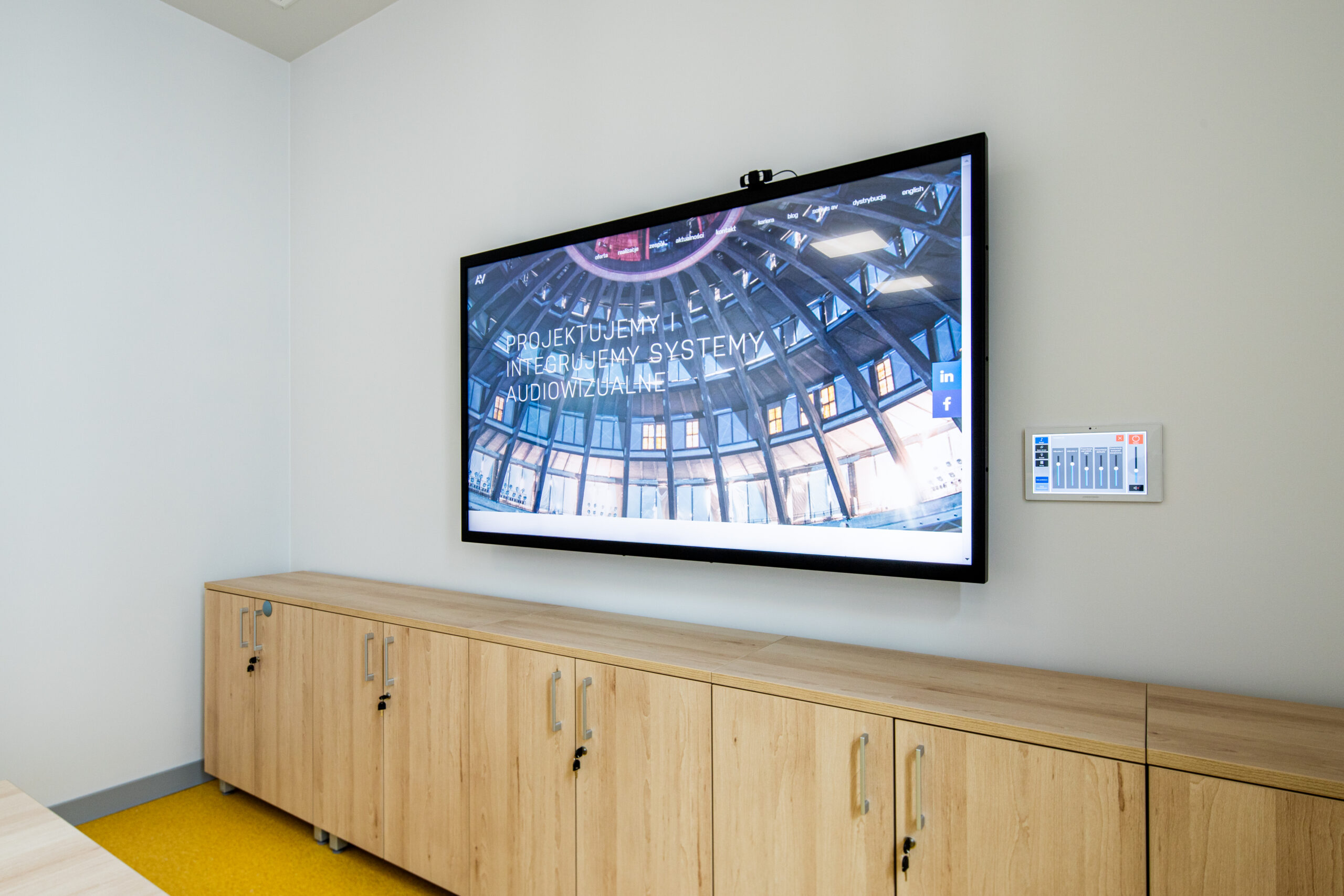
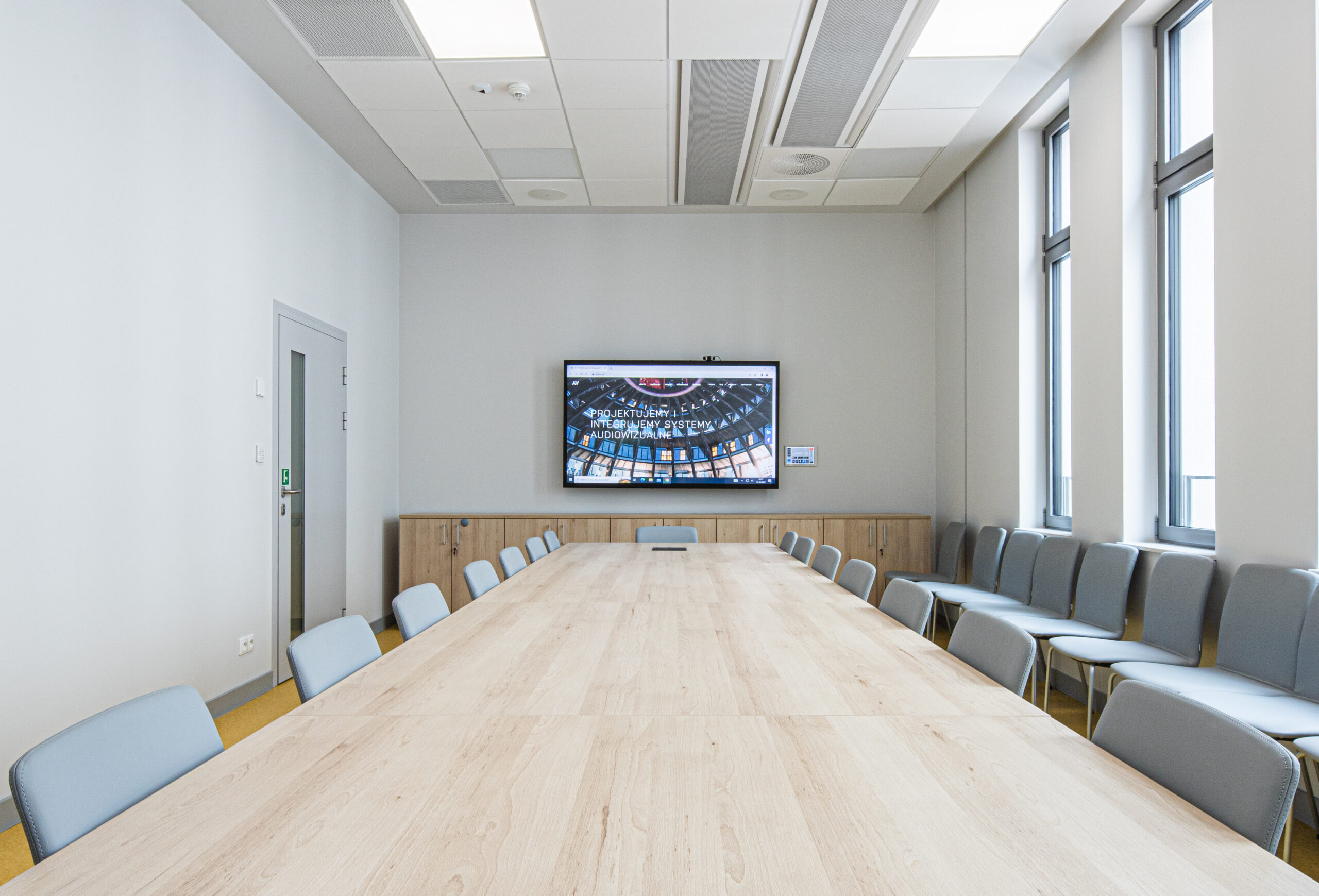
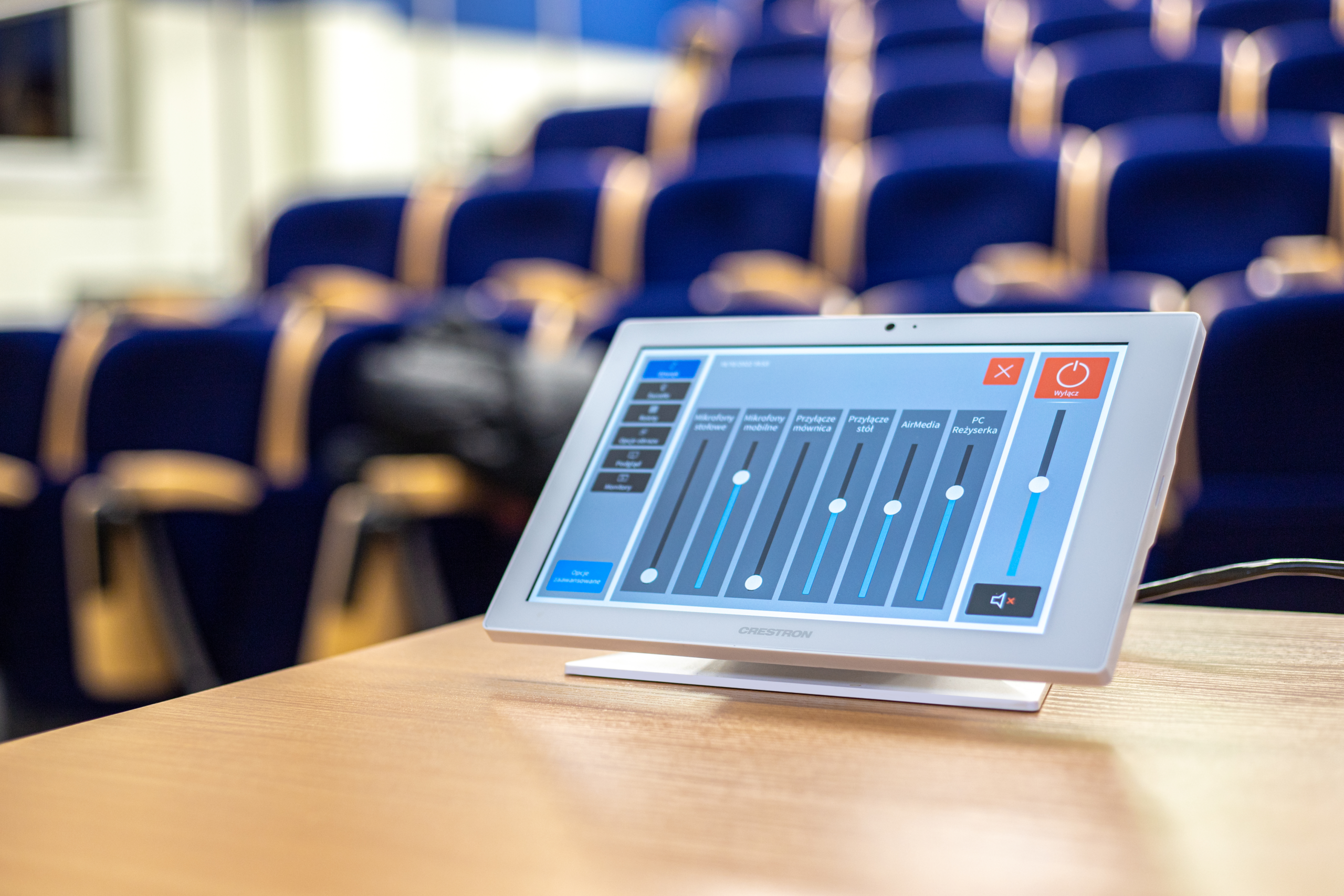
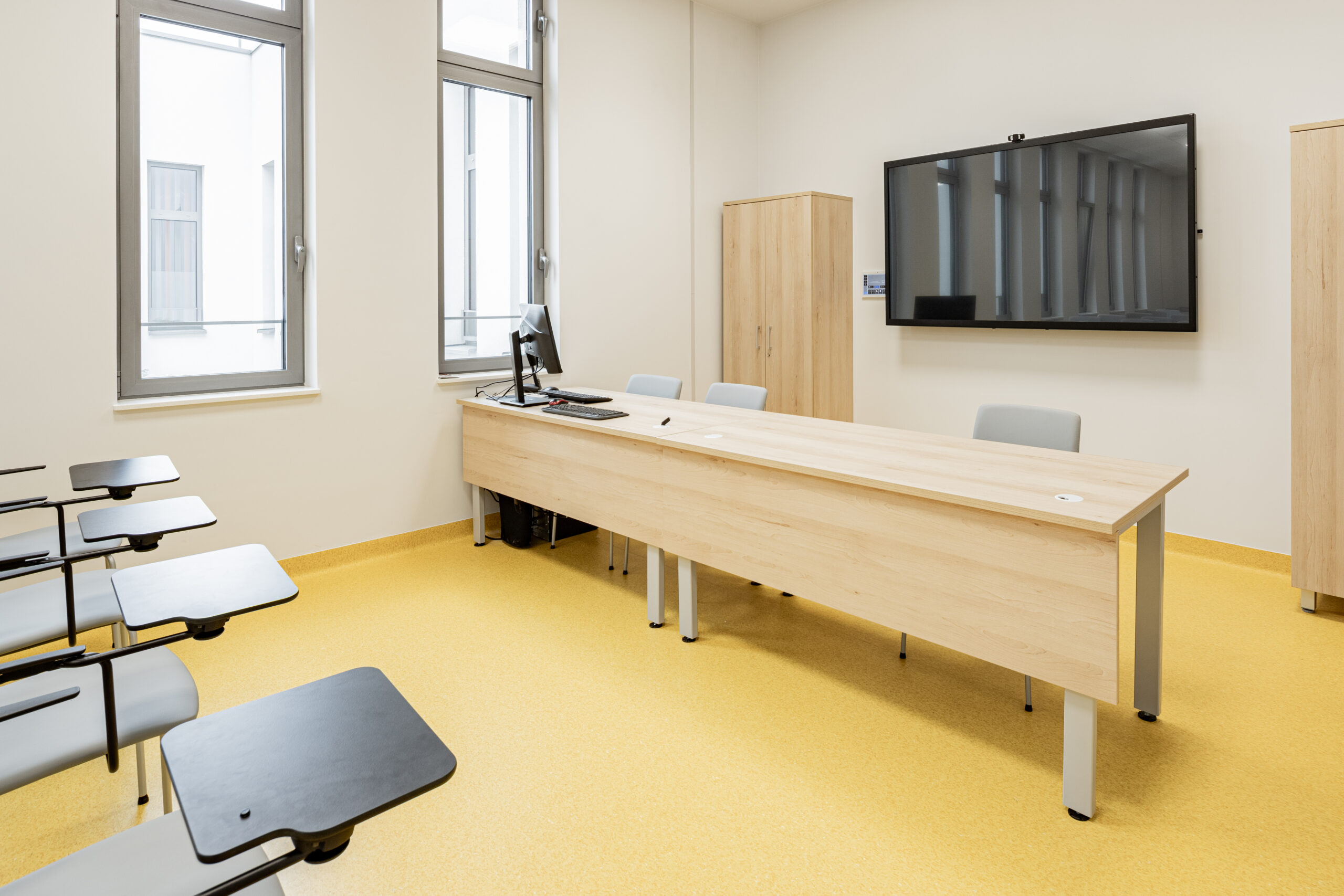
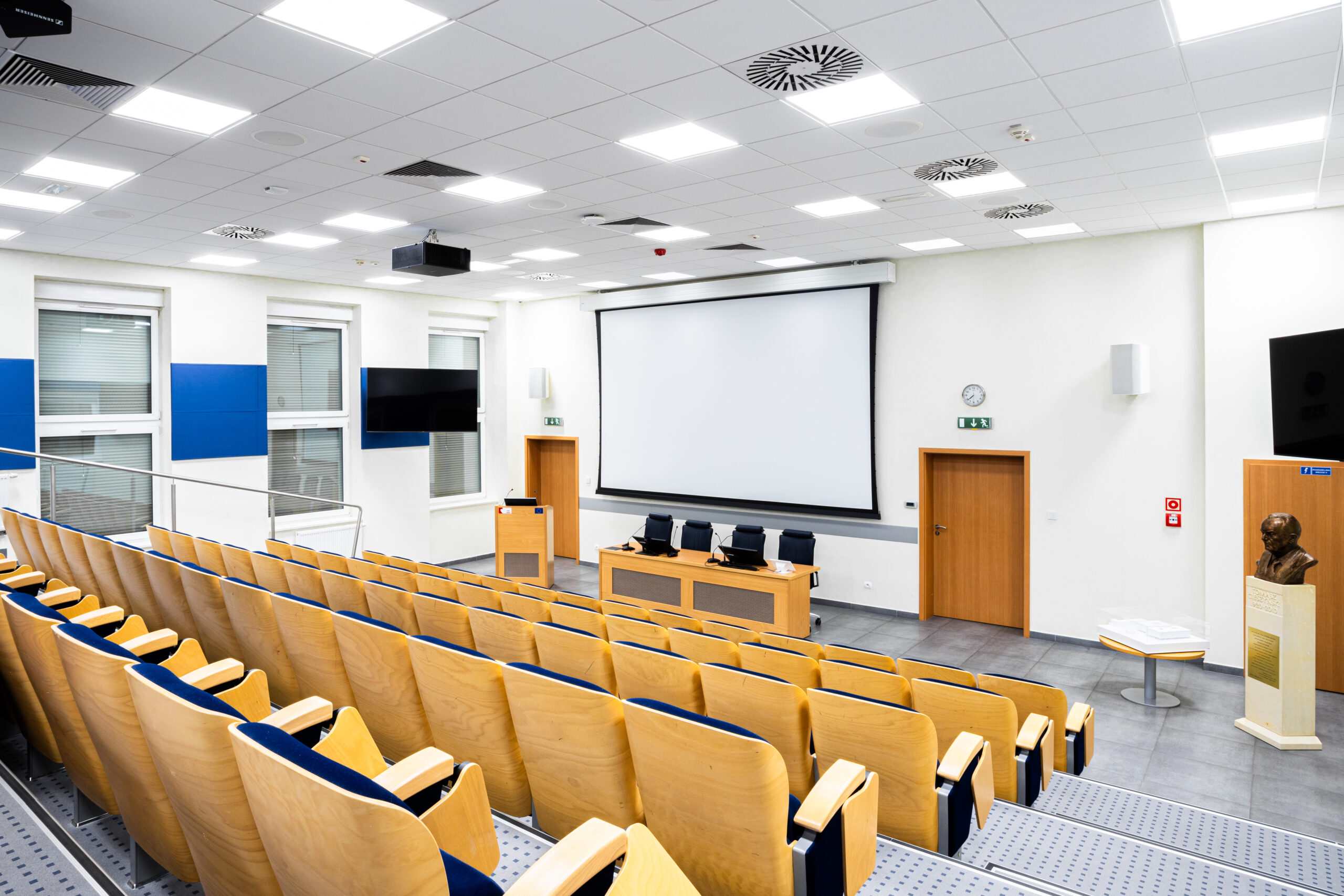
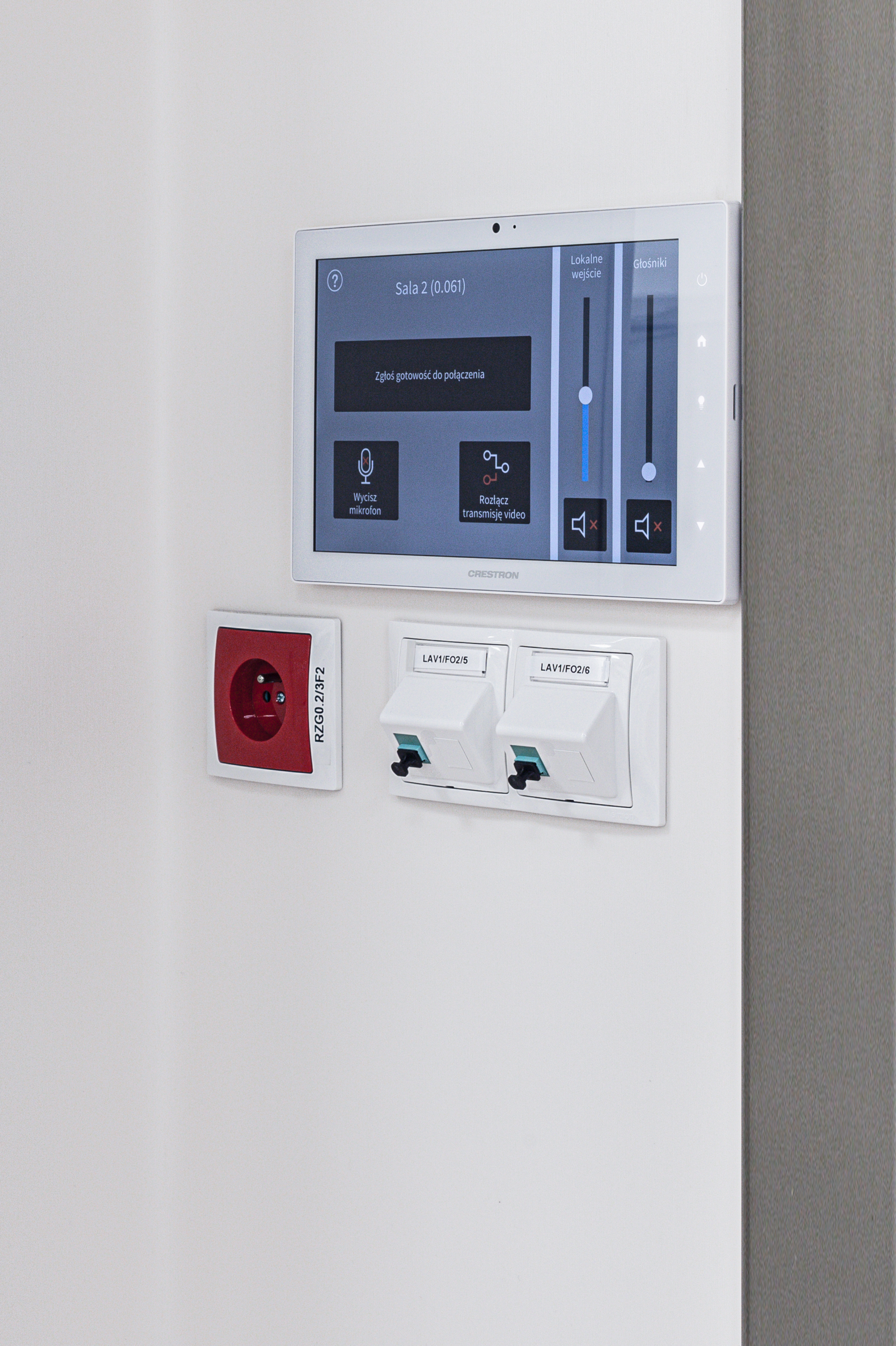
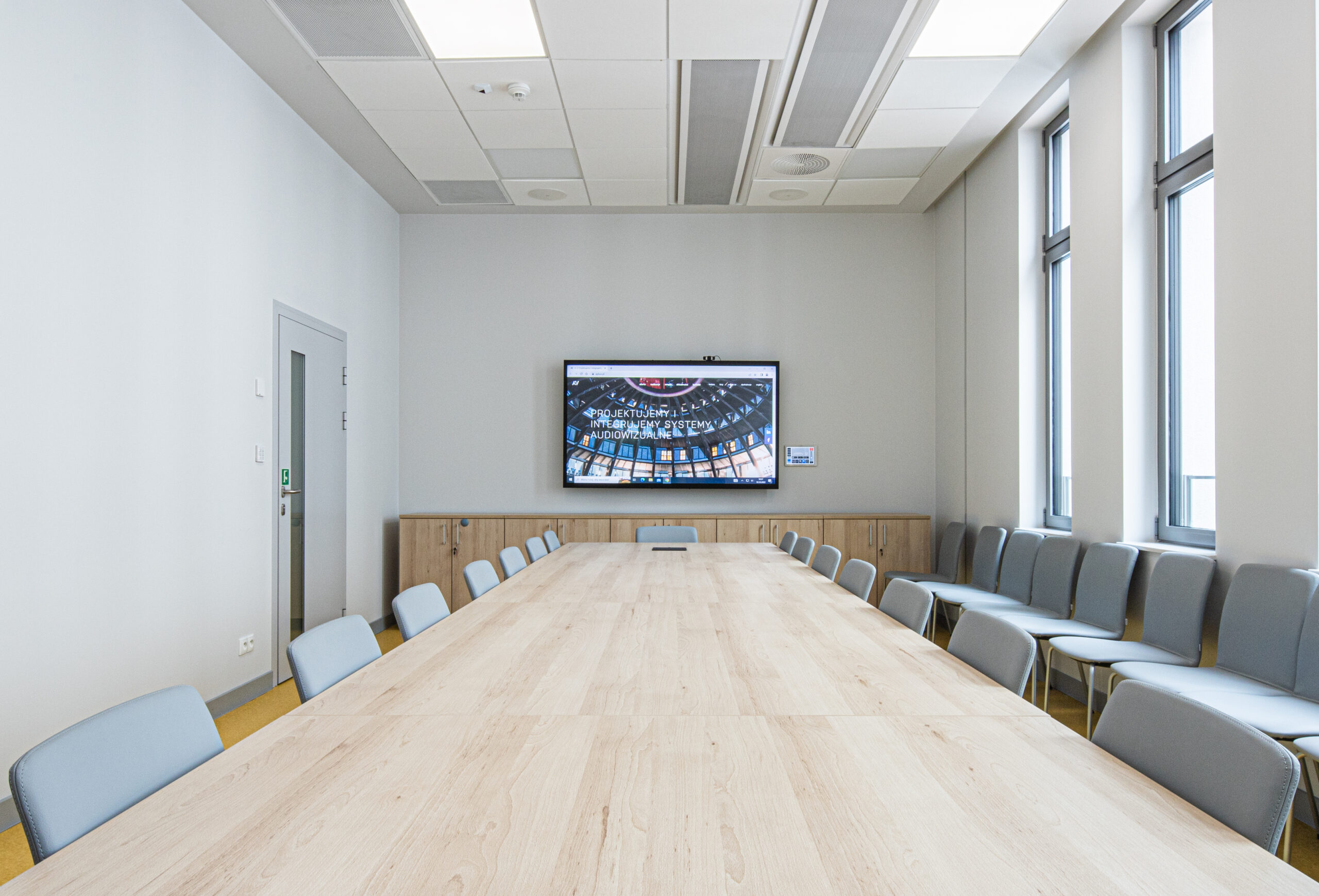
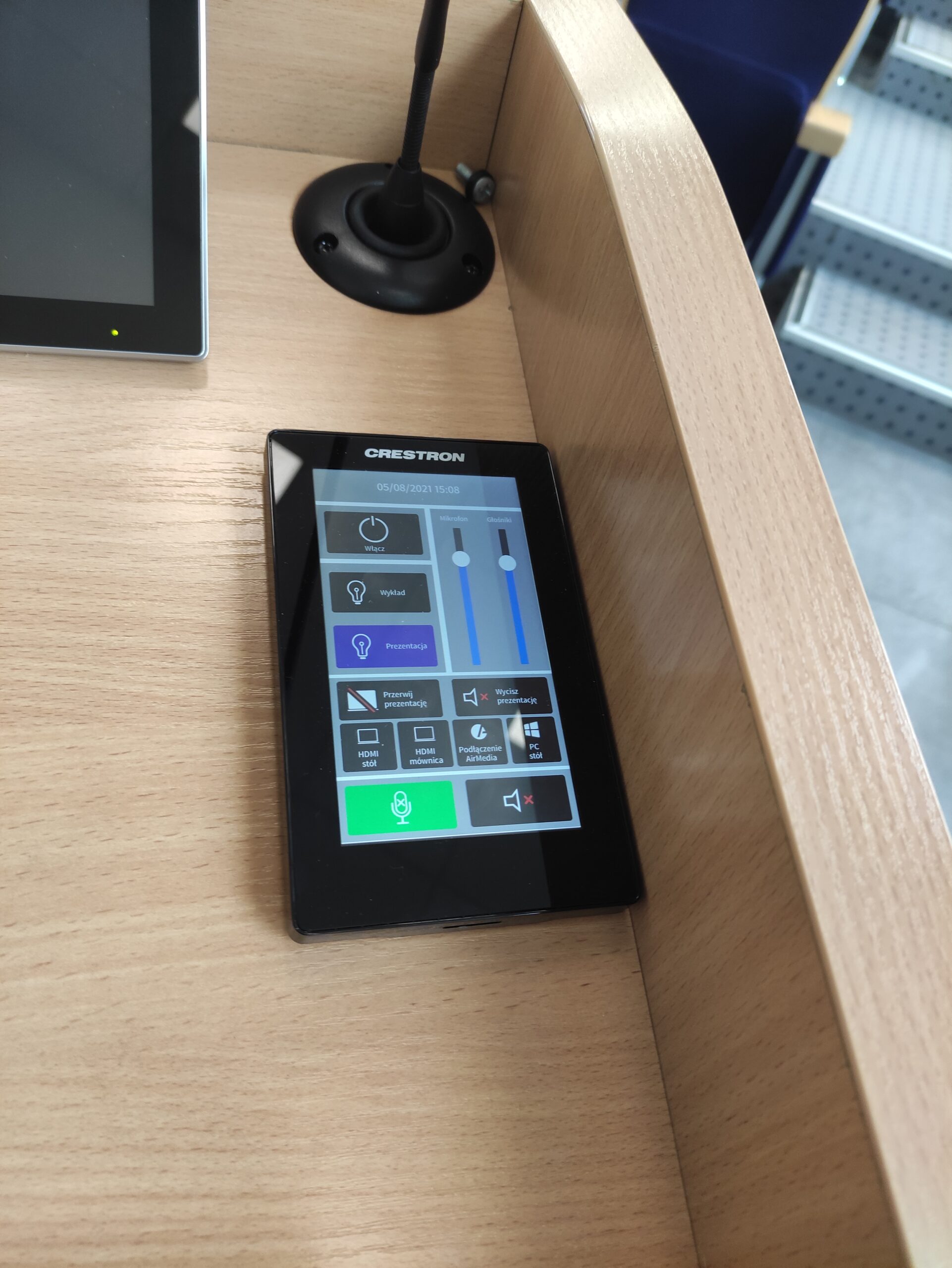
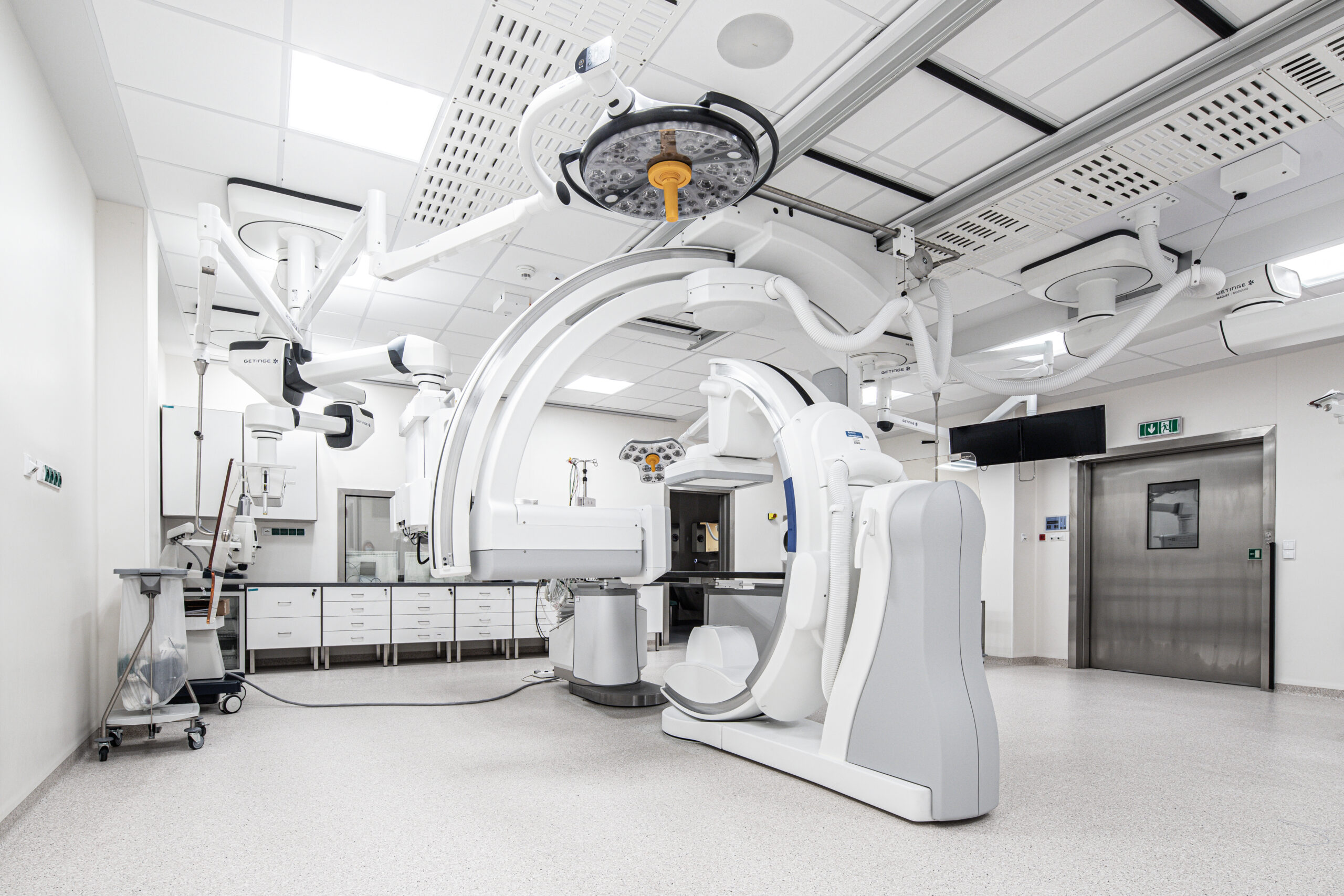
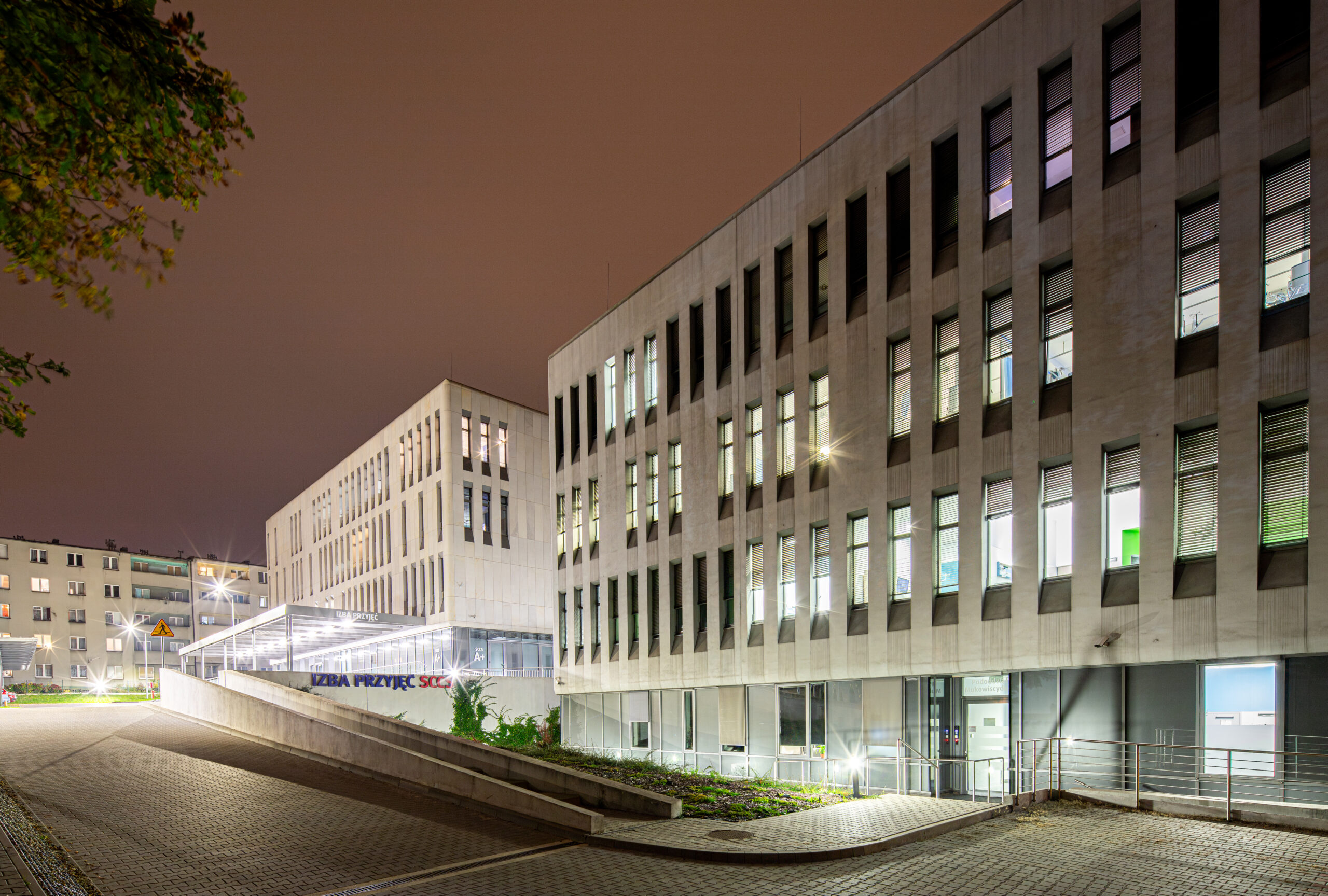
From a technical perspective, the project’s primary objective was to establish efficient distribution of audio, video and control signals, implement the latest signal transmission technologies and build a highly reliable network infrastructure. From a strategic standpoint, the institution’s key goal was to enable hands-on medical education without disrupting complex and often high-risk surgical procedures. The challenge, therefore, was to combine world-class medical training with the highest standards of patient safety and the need to maintain an optimal working environment for healthcare professionals.
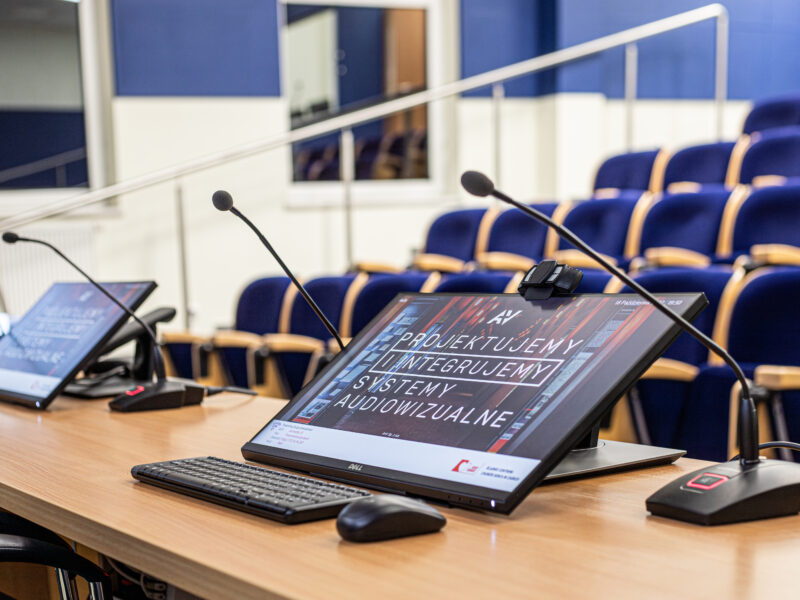
Our role was to develop, integrate and modernize the AV systems at the Silesian Center for Heart Diseases (SCCS). The project was built around a Crestron, based AV signal distribution and multimedia control platform, selected for its exceptional reliability and industry-leading stability.
The solution was designed using IP-based signal distribution technology, providing a highly flexible AV infrastructure that is easy to maintain, service and expand as future requirements evolve.
As a result, the system offers virtually unlimited scalability for future growth. A unified signal distribution ecosystem and centralized control platform based on Crestron technologies ensure seamless native communication between all system components. This integrated approach directly contributes to the overall reliability, responsiveness and long-term performance of the entire solution.
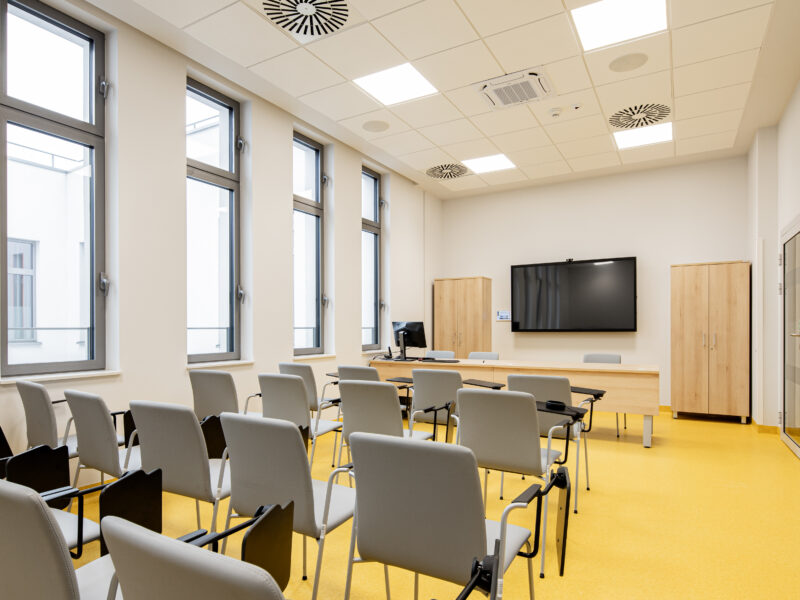
The solution we have implemented allows SCCS to meet its educational goals while meeting safety standards and maintaining required procedures. The ability to transmit the signal from the treatment rooms to the lecture halls is a great convenience.
This allows students to discuss practical situations with the lecturer – in a safe environment allowing for concentration, and without interference with the situation in the treatment room. The transmission allows to show not only preview images from the PTZ cameras installed in the rooms, but also what is happening in the monitor of the treatment table, to view medical images visualized by the medical apparatus, and to allow students to observe the interaction of the staff.
The transmission of images is carried out in real time – ‘on time’ – allowing the lecturer to select the images that are most important at any given moment, and then to discuss them in detail with the students.
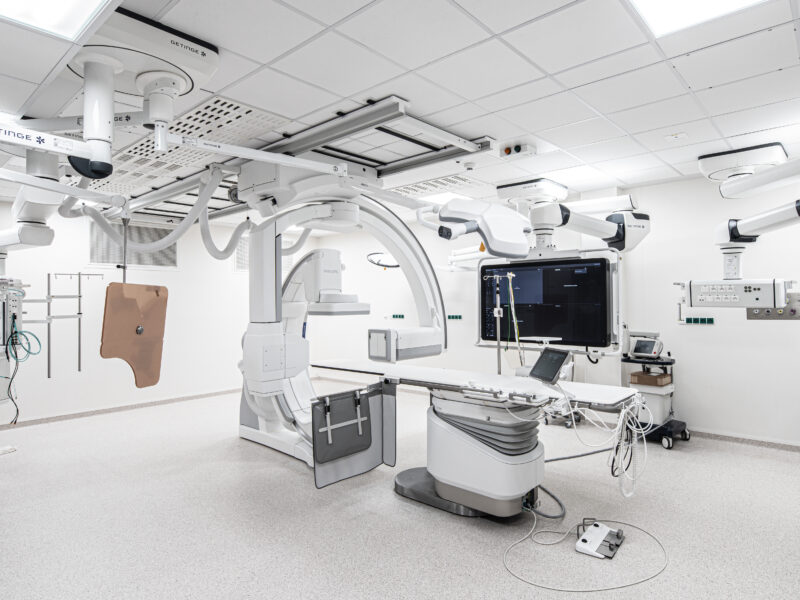
SCCS is a place where the fate of human life is at stake, as well as a centre for training future doctors. That is why it is so important that it has the best technological solutions, implemented in a thoughtful and consistent manner. Hence we designed an AV system that allows teaching at the level of the best centres around the world: with video and audio transmission capabilities. Thanks to this project, students are able to almost tangibly learn the principles of performing procedures.
This is the future that, thanks to the technological solutions proposed by A+V, SCCS can implement. It is a huge success for us to enable SCCS to achieve their most important goal, which is to bring the treatment process as close to the student as possible, while ensuring safety for patients and respecting their rights.
We are very grateful for the opportunity to work on a project so important to every patient and to contribute to the development of great doctors. Our implementation for the University of Silesia is an example of how effectively designed audiovisual systems have a significant impact on the quality of learning, as well as the comfort of students, lecturers and patients.